
How to Improve Your Thinking Skills
Content
Thinking skills are among the most important skills you can build in life. The quality of your thinking affects the quality of your decisions, habits, career, relationships, goals, and personal growth. Every day, you think through problems, make choices, judge situations, respond to people, plan your future, and decide what deserves your attention. If your thinking is unclear, rushed, emotional, or based on assumptions, your choices may become weaker. If your thinking is calm, honest, structured, and reflective, your life becomes easier to guide.
Many people focus on learning external skills, such as communication, technology, writing, sales, leadership, or productivity. These skills are useful, but thinking sits underneath all of them. A person with strong thinking skills learns faster, solves problems better, communicates more clearly, and makes wiser decisions. They do not simply react to what happens. They pause, examine, question, understand, and choose.
Improving your thinking skills does not mean becoming the smartest person in the room. It does not mean using complicated words or overanalyzing everything. Good thinking is not about making life more confusing. It is about seeing things more clearly. It is the ability to separate facts from assumptions, emotions from evidence, short-term comfort from long-term consequences, and noise from what really matters.
Strong thinking also helps you protect yourself from poor decisions. Many mistakes happen because people act too quickly. They believe the first thought that appears. They follow emotion without reflection. They accept information without questioning it. They repeat opinions they have never examined. They choose based on pressure instead of wisdom. Better thinking gives you space between the situation and your response.
The good news is that thinking skills can be improved. You are not stuck with the way you currently think. You can train your mind to ask better questions, reflect more deeply, solve problems step by step, listen to different perspectives, and make decisions with more clarity. Like any skill, thinking improves through practice.
Understand What Thinking Skills Really Mean
Thinking skills are the mental abilities that help you understand information, solve problems, make decisions, evaluate ideas, and respond wisely to situations. They include critical thinking, creative thinking, analytical thinking, reflective thinking, decision-making, problem-solving, and judgment.
Critical thinking helps you question information instead of accepting everything immediately. Analytical thinking helps you break complex situations into smaller parts. Creative thinking helps you find new possibilities. Reflective thinking helps you learn from experience. Decision-making helps you choose between options. Problem-solving helps you move from confusion to action.
These skills are not only useful in school or professional work. They are useful in daily life. You use thinking skills when deciding whether to accept a job, how to spend money, how to respond to criticism, how to manage time, how to improve a habit, how to handle conflict, or how to plan your future.
When thinking skills are weak, life can feel more confusing. You may overreact, overthink, follow others blindly, repeat mistakes, or make emotional decisions. When thinking skills are stronger, you become more grounded. You may still face problems, but you handle them with more clarity.
The goal is not to think endlessly. The goal is to think better. Better thinking should lead to better understanding and better action.
Slow Down Before You Decide
One of the simplest ways to improve your thinking skills is to slow down before making decisions. Many poor choices happen because people respond too quickly. They react from anger, fear, excitement, pressure, or impatience before they fully understand the situation.
Slowing down gives your mind time to process. It helps you ask whether the first thought is accurate. It helps you notice missing information. It helps you separate emotion from judgment. This pause can prevent many unnecessary mistakes.
Not every decision needs a long analysis. Some daily choices are small and simple. But important decisions deserve time. Before accepting a commitment, sending a serious message, quitting something, spending money, making a promise, or judging someone, pause and think.
Ask yourself what you know, what you do not know, what you are feeling, and what the consequences may be. This does not make you weak or indecisive. It makes you thoughtful.
A calm pause often creates better decisions than a fast reaction. Strong thinkers do not rush simply because emotion is loud.
Ask Better Questions
The quality of your thinking is often shaped by the quality of your questions. Weak questions create weak answers. Better questions open better understanding.
Many people ask questions that keep them stuck. They ask, “Why is this happening to me?” but not “What can I learn from this?” They ask, “Why am I so behind?” but not “What is the next step I can take?” They ask, “What if I fail?” but not “How can I prepare better?” The question directs the mind.
To improve your thinking, practice asking clearer questions. When facing a problem, ask: What is the real issue? What facts do I have? What am I assuming? What options are available? What would happen if I do nothing? What is the best next step? Who can help me understand this better?
When making a decision, ask: What matters most here? What are the short-term and long-term consequences? Am I choosing from fear or wisdom? Does this choice match my values? What would my future self think of this decision?
Better questions help you move from confusion to clarity. They also protect you from shallow thinking. A person who asks better questions usually sees deeper answers.
Separate Facts from Assumptions
A major part of better thinking is learning to separate facts from assumptions. A fact is something supported by evidence. An assumption is something you believe may be true, but have not confirmed.
Many people make decisions based on assumptions without realizing it. They assume someone is angry with them. They assume they will fail. They assume they are not qualified. They assume a situation is hopeless. They assume others are judging them. These assumptions can create stress and poor decisions.
To think more clearly, ask yourself what you actually know. What evidence supports this thought? What evidence is missing? Could there be another explanation? Am I filling gaps with fear?
For example, if someone replies late, you may assume they are upset. But the fact may only be that they replied late. There could be many reasons. If you build an emotional reaction on an assumption, you may create unnecessary conflict.
This skill is powerful in work, relationships, and personal growth. When you separate facts from assumptions, your mind becomes less reactive. You begin responding to reality instead of imagination.
Learn to Challenge Your First Thought
Your first thought is not always your best thought. Sometimes your first thought comes from habit, fear, insecurity, anger, or old beliefs. If you believe every first thought immediately, you may make poor decisions.
Challenging your first thought means pausing and asking whether it is fair, accurate, and useful. If your first thought is, “I cannot do this,” ask whether that is true or whether the task is simply difficult. If your first thought is, “They do not respect me,” ask what evidence you have. If your first thought is, “It is too late for me,” ask whether that is a fact or a fear.
This does not mean doubting everything endlessly. It means not allowing automatic thoughts to control your life without examination. Your mind can produce thoughts quickly, but you do not have to accept them all.
A strong thinker treats thoughts as material to examine, not commands to obey. This creates mental freedom. You begin choosing your beliefs and responses more wisely.
Read More Deeply
Reading is one of the best ways to improve thinking skills. Good reading exposes you to new ideas, arguments, stories, perspectives, and information. It expands your mind beyond your current experiences.
But not all reading improves thinking in the same way. Deep reading is different from quick scrolling. When you read deeply, you slow down, reflect, question, and connect ideas. You ask what the writer is saying, why it matters, whether you agree, and how it applies to your life.
Read books, long articles, essays, biographies, history, philosophy, personal development, business, psychology, and literature. Different kinds of reading build different parts of the mind. Literature helps you understand human nature. History helps you understand patterns. Psychology helps you understand behavior. Business and career books help you understand systems and decisions.
After reading, write down what you learned. A few notes can turn reading into thinking. Ask: What is the main idea? What surprised me? What do I disagree with? How can I apply this?
Reading gives your mind better material. Reflection turns that material into wisdom.
Write to Clarify Your Thoughts
Writing is a powerful thinking tool. Many thoughts feel unclear when they stay in your head. They become clearer when you write them down. Writing forces you to organize your ideas, choose words, notice gaps, and make sense of what you believe.
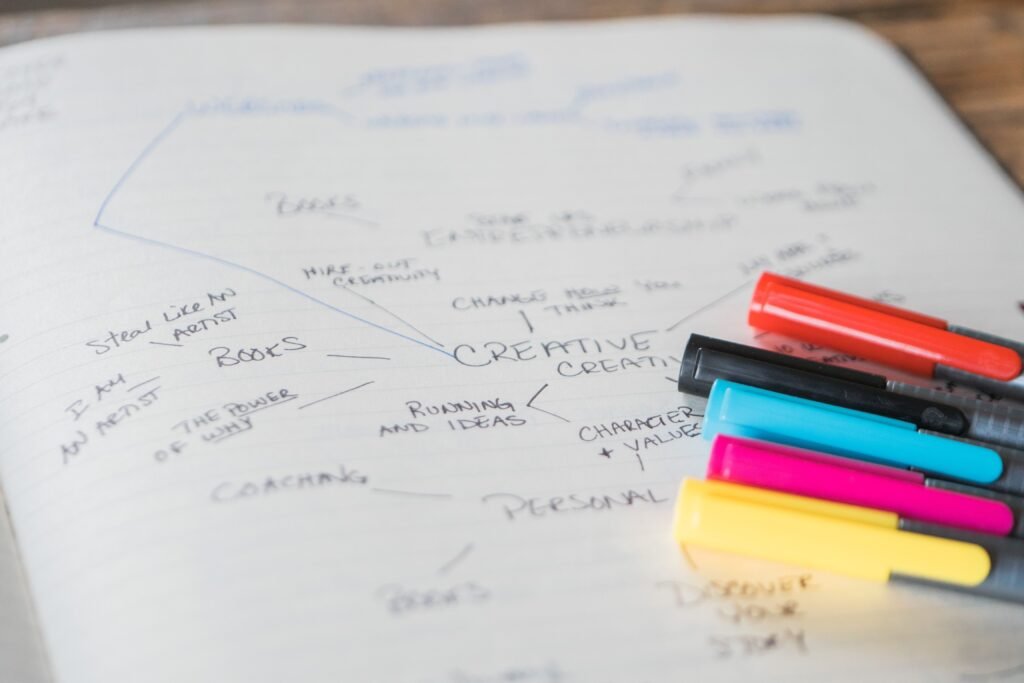
You do not need to be a professional writer to use writing for thinking. You can journal, make notes, write lists, create mind maps, or draft reflections. The goal is not beautiful writing. The goal is clearer thinking.
When you feel confused, write down the problem. Then write what you know, what you feel, what options you have, and what the next step could be. When making a decision, write the pros and cons. When learning something, summarize it in your own words. When facing a mistake, write what happened and what you can learn.
Writing slows the mind in a useful way. It helps you see your thoughts from a distance. It also reduces overthinking because the thoughts are no longer spinning silently inside you.
If you want to think better, write more often.
Practice Reflection
Reflection is the habit of looking back at experiences to learn from them. Without reflection, you may repeat the same patterns without understanding why. With reflection, every experience can become a lesson.
At the end of the day or week, ask yourself what went well, what did not, what you learned, and what you can improve. This simple practice strengthens thinking because it turns life into feedback.
Reflection is especially useful after difficult moments. If a conversation went badly, reflect on why. Did you listen properly? Did you react too quickly? Was your tone wrong? Did you misunderstand something? If a task failed, ask what caused it. Was the plan unclear? Was the timing wrong? Did you lack skill, information, or focus?
Reflection should not become self-attack. The purpose is learning, not punishment. A reflective person is not someone who never makes mistakes. It is someone who uses mistakes to become wiser.
The more you reflect, the more patterns you notice. The more patterns you notice, the better your decisions become.
Improve Your Problem-Solving Process
Problem-solving is a major part of thinking skills. Many people become overwhelmed by problems because they try to solve everything at once. A better approach is to break the problem down.
Start by defining the problem clearly. What exactly is wrong? Avoid vague statements like “everything is bad” or “this is impossible.” Specific problems are easier to solve.
Then identify the cause. What is creating the problem? Is it lack of time, lack of skill, poor communication, weak planning, unclear expectations, low energy, or something else?
Next, list possible solutions. Do not judge them immediately. Write options first. Then evaluate which solution is realistic, useful, and aligned with your values. Choose one next action.
For example, if you feel overwhelmed by tasks, the real problem may not be too much work. It may be that tasks are not organized. The solution may be creating a master list, choosing priorities, and scheduling focus blocks.
Good problem-solving turns pressure into steps. It helps you move from “I am stuck” to “Here is what I can try.”
Listen to Different Perspectives
Your thinking improves when you listen to different perspectives. If you only listen to people who agree with you, your mind may become narrow. Different perspectives challenge your assumptions and help you see what you missed.
This does not mean accepting every opinion. Some opinions may be wrong, weak, or poorly informed. But listening carefully helps you understand how others think. It can reveal blind spots.
In conversations, try to understand before responding. Ask why someone sees the situation differently. What experience shaped their view? What information do they have? What are they noticing that you are not?
This is useful in work, relationships, and decision-making. A colleague may see a risk you missed. A friend may notice a pattern in your behavior. A mentor may offer wisdom from experience. Even disagreement can sharpen your thinking if you approach it with humility.
Strong thinkers are not afraid of other viewpoints. They use them to test and improve their own thinking.
Avoid Emotional Decision-Making
Emotions are important, but they should not make every decision alone. Anger, fear, excitement, sadness, jealousy, and frustration can all distort thinking. When emotion is strong, your mind may focus only on immediate relief instead of long-term wisdom.
For example, anger may push you to say something damaging. Fear may push you to avoid a good opportunity. Excitement may push you to accept something without checking details. Frustration may push you to quit too early.
To improve your thinking, notice when emotions are influencing you. Instead of acting immediately, pause. Ask what you are feeling and why. Give yourself time before major decisions. If possible, wait until the emotional intensity lowers.
This does not mean ignoring emotions. Emotions can give useful information. Fear may show that you need preparation. Anger may show that a boundary was crossed. Sadness may show that something matters. But emotion should become information, not the only driver.
Wise decisions include emotion, but they are guided by reflection.
Build Mental Models
Mental models are simple frameworks that help you understand situations. They are like tools for thinking. They help you see patterns and make better decisions.
For example, cause and effect is a mental model. It helps you ask what actions are creating what results. Opportunity cost is another. It reminds you that choosing one thing means giving up another. Long-term thinking is another. It helps you consider future consequences. The 80/20 principle helps you ask which few actions create the most results.
You do not need to learn hundreds of mental models. Start with a few useful ones. When making decisions, ask about trade-offs. When solving problems, ask about root causes. When managing time, ask which tasks produce the most value. When judging a situation, ask what incentives may be influencing people.
Mental models help you think more clearly because they give your mind structure. Instead of reacting randomly, you examine situations through useful lenses.
Better thinking often comes from having better tools.
Become Comfortable with Uncertainty
Many people think poorly because they want certainty too quickly. They want a clear answer immediately, even when the situation is complex. This can lead to rushed conclusions and false confidence.
Strong thinking requires comfort with uncertainty. Sometimes you do not have enough information yet. Sometimes the answer is not obvious. Sometimes two options both have risks. Sometimes you need to wait, research, ask questions, or test before deciding.
Being comfortable with uncertainty does not mean doing nothing forever. It means being honest about what you know and what you do not know. It means saying, “I need more information,” instead of pretending to be sure.
This humility improves judgment. It protects you from overconfidence. It also helps you make better plans because you prepare for different possibilities.
In life, not everything is simple. Strong thinkers can stay calm while the answer is still forming.
Learn from Mistakes Without Defensiveness
Mistakes are valuable if you learn from them. But many people protect their ego instead of examining the lesson. They blame others, deny responsibility, or avoid thinking about what happened. This prevents growth.
To improve your thinking, treat mistakes as feedback. Ask what happened, why it happened, and what can be changed next time. Did you misunderstand the situation? Did you act too quickly? Did you ignore a warning sign? Did you lack preparation? Did you assume too much?
This requires humility. It can feel uncomfortable to admit that your thinking was wrong. But that discomfort is part of becoming wiser.
A mistake can improve your future decisions if you study it honestly. If you ignore it, you may repeat it.
Strong thinkers are not people who are always right. They are people who are willing to correct their thinking when reality proves them wrong.
Improve Your Vocabulary
Vocabulary affects thinking because words help you understand and express ideas. If you do not have the right words, your thoughts may remain vague. The more precise your language becomes, the more precise your thinking can become.
For example, saying “I feel bad” is vague. Are you sad, anxious, disappointed, guilty, tired, angry, or overwhelmed? Each word points to a different cause and solution. Saying “this problem is difficult” is also vague. Is it complex, urgent, unclear, risky, expensive, emotional, or time-consuming?
Improving vocabulary does not mean using complicated words to impress people. It means choosing clearer words to understand reality better.
You can improve vocabulary through reading, writing, and paying attention to language. When you learn a useful word, try to use it. When your thought feels vague, ask what word describes it more accurately.
Clear language supports clear thinking.
Think in Consequences
Better thinking includes understanding consequences. Every decision has effects. Some effects are immediate. Others appear later. Weak thinking often focuses only on what feels good now. Strong thinking considers what may happen next.
Before making a decision, ask what the likely consequences are. What will this choice create tomorrow, next week, next month, or next year? What will it cost? What will it make easier? What will it make harder? Who will be affected?
This is useful for habits, money, relationships, career, health, and time. Skipping exercise once may not matter much, but repeatedly neglecting health has consequences. Spending impulsively once may not hurt, but repeated careless spending creates stress. Avoiding one difficult conversation may feel peaceful now, but it may create bigger conflict later.
Thinking in consequences helps you make choices that your future self will respect. It brings wisdom into daily life.
Practice Creative Thinking
Thinking skills are not only about analysis. They also include creativity. Creative thinking helps you find new solutions, ideas, and possibilities. It helps you avoid being trapped by one way of seeing things.
To practice creative thinking, ask “What else?” What else could be done? What else might be true? What else could solve this problem? What else can I try? This question opens the mind.
You can also combine ideas from different areas. A lesson from writing may help your career. A lesson from customer service may help relationships. A lesson from sports may help discipline. Creativity often comes from connecting ideas that others keep separate.
Give yourself time for creative thought. Walk, journal, brainstorm, read widely, and allow space away from constant noise. Creativity often needs mental room.
A strong thinker is not only logical. They are also flexible and imaginative.
Reduce Mental Noise
Clear thinking requires mental space. If your mind is always filled with social media, notifications, arguments, comparison, news, and random content, deep thinking becomes harder. Constant input leaves little room for reflection.
Reduce mental noise by creating quiet periods. Spend some time without your phone. Walk without listening to anything. Sit quietly. Write your thoughts. Avoid starting and ending the day with digital noise.
This may feel uncomfortable at first because the mind is used to stimulation. But quiet helps you hear your own thoughts. It helps you process life instead of constantly consuming more information.
Better thinking needs space. Protect that space intentionally.
Make Decisions with Values
Values improve thinking because they give your decisions a foundation. Without values, you may choose based only on mood, pressure, or convenience. With values, you have a standard.
If honesty is a value, it guides your communication. If growth is a value, it guides your learning. If family is a value, it guides your time. If health is a value, it guides your habits. If self-respect is a value, it guides your boundaries.
When facing a decision, ask which option aligns with your values. The easiest option may not always be the right one. The most popular option may not fit your life. Your values help you choose with integrity.
Thinking becomes stronger when it is connected to principles, not only preferences.
Practice Explaining Ideas Simply
If you cannot explain an idea simply, you may not understand it clearly enough yet. Simple explanation is a powerful test of thinking.
When you learn something, try explaining it in plain language. Imagine explaining it to a beginner. What is the main idea? Why does it matter? How does it work? What example makes it clear?
This practice improves understanding because it reveals gaps. If you struggle to explain, you may need to study more or organize your thoughts better.
Simple explanation is also useful in work and relationships. People trust clear communicators. When you can explain complex ideas simply, your thinking becomes more valuable to others.
Clear thinking often produces clear communication.
Build a Habit of Learning
Thinking improves when learning becomes a habit. The mind needs new material, new challenges, and new perspectives. If you stop learning, your thinking may become repetitive.
Learning does not need to be formal all the time. You can learn through books, articles, courses, conversations, podcasts, work experience, mistakes, and observation. The key is to stay curious.
Ask what you can learn from each situation. What can this problem teach me? What can this person teach me? What can this mistake teach me? What can this success teach me?
A learning mindset keeps your thinking alive. It helps you adapt as life changes. It also builds humility because you understand that there is always more to know.
Conclusion
Improving your thinking skills is one of the most valuable investments you can make in your personal and professional life. Strong thinking helps you make better decisions, solve problems more clearly, communicate with more confidence, avoid unnecessary mistakes, and understand yourself and others more deeply.
You can improve your thinking by slowing down before decisions, asking better questions, separating facts from assumptions, challenging your first thoughts, reading deeply, writing to clarify your ideas, and reflecting on your experiences. You can also improve by solving problems step by step, listening to different perspectives, managing emotions, learning from mistakes, and thinking in consequences.
Better thinking is not about overcomplicating life. It is about creating clarity. It helps you move from reaction to reflection, from confusion to structure, and from assumption to understanding.
Your mind is one of your most important tools. Train it with care. Feed it with good information. Give it quiet space. Challenge it with better questions. Use it to build a life guided by wisdom, not only impulse.
The better you think, the better you can choose. And the better you choose, the stronger your life can become.
Related Articles
- How to Build Stronger People Skills
- How to Become Better at Solving Problems
- How to Communicate Your Ideas Clearly
- How to Build Professional Confidence Through Skills
- How to Learn Difficult Skills Without Giving Up
- How to Become More Valuable in Any Workplace
- How to Improve Your Personal Organization Skills
- How to Build Better Presentation Skills