
Productivity

Learn how to manage your time, stay focused, reduce distractions, build better routines, and make meaningful progress without feeling overwhelmed.

Productivity is not about filling every hour with tasks. It is about choosing what matters, protecting your attention, and using your energy in a way that supports your goals.

In this section, you will find simple and practical strategies to help you work better, think clearly, and stay consistent.

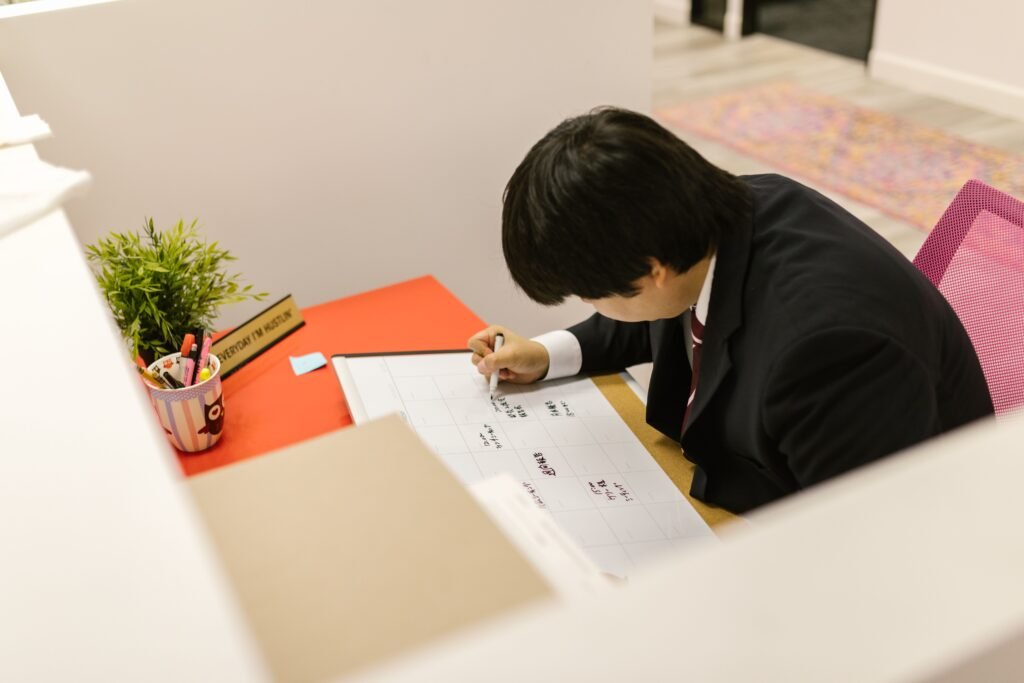
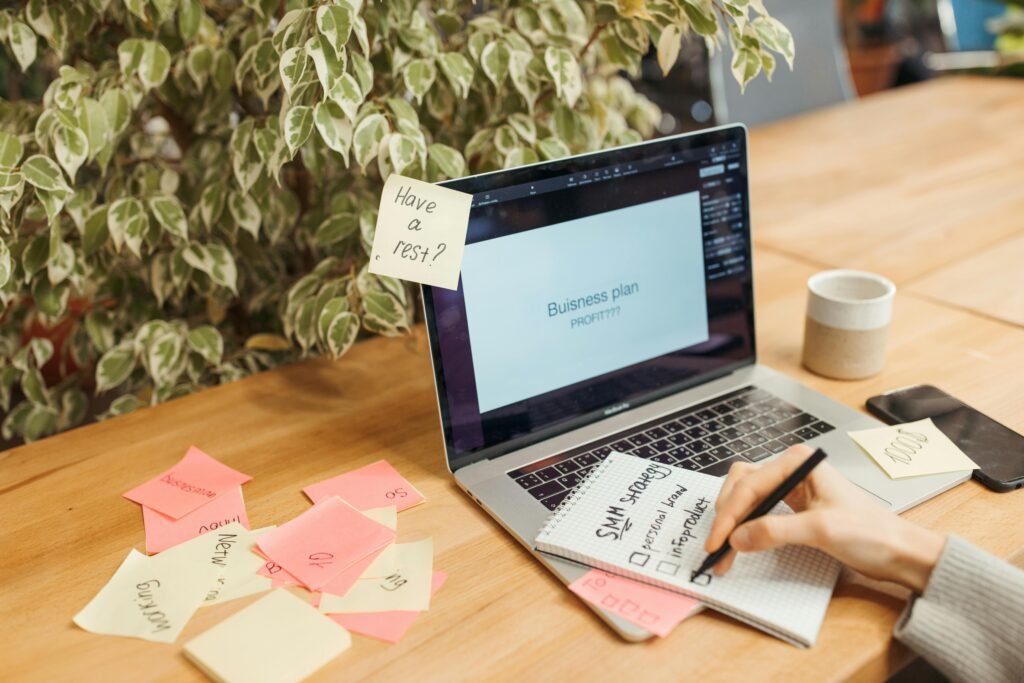
A person planning the week in a notebook or digital calendar beside a laptop, with goal checklists and time blocks
Productivity

How to Build a Weekly Routine That Supports Your Goals

A weekly routine that supports your goals helps you stop living only day by day and start using your time with more intention. When you plan your priorities, protect focused time, build useful habits, and review your progress, your week becomes a structure that moves your goals forward.


A person sitting at a desk with a long task list but highlighting only three important priorities
Productivity

How to Stop Feeling Busy but Not Productive

Feeling busy but not productive usually means your time is full, but your priorities are unclear. Real productivity is not about doing more tasks. It is about doing the right tasks, protecting your focus, reducing distractions, and making progress on work that truly matters.

A person looking at a planner, calendar, and task list on a clean desk
Productivity

How to Manage Your Time When Everything Feels Important

When everything feels important, time management becomes difficult because every task seems to demand attention. The solution is not to do everything at once, but to separate urgency from importance, choose your real priorities, protect your focus, and make intentional decisions about where your time should go.

A focused person working at a clean desk with a laptop, notebook, and phone placed away
Productivity

How to Protect Your Focus in a Distracted World

Protecting your focus in a distracted world means learning how to manage your attention with intention. By reducing digital noise, creating focus blocks, setting boundaries, simplifying your priorities, and building better daily habits, you can think more clearly and make meaningful progress.

A person sitting at a clean desk with a notebook showing one simple priority
Productivity

How to Stop Procrastinating When You Feel Overwhelmed

Procrastination often becomes stronger when you feel overwhelmed. The solution is not always more motivation, but more clarity. By simplifying your tasks, choosing one small next step, reducing distractions, and creating a calmer plan, you can stop delaying and begin moving forward again.

A person restarting work at a clean desk with a notebook, laptop, and simple priority lis
Productivity

How to Build Momentum After Losing Focus

Losing focus does not mean you have failed. Momentum can be rebuilt by accepting the pause, choosing one small action, reducing distractions, reconnecting with your priorities, and returning to consistent progress without waiting for perfect motivation.

A clean desk with a weekly planner, calendar, laptop, and organized notes
Productivity

How to Stay Organized When Life Gets Busy

Staying organized when life gets busy is not about controlling everything perfectly. It is about creating simple systems, choosing clear priorities, reducing mental and physical clutter, planning ahead, and building routines that help you stay steady even when your schedule becomes full.

A clean notebook showing three daily priorities beside a laptop, pen, and cup of coffee
Productivity

How to Create a Simple System for Daily Priorities

Creating a simple system for daily priorities helps you stop feeling scattered and start each day with direction. Instead of reacting to every task, message, or distraction, you choose what matters most, protect your focus, and make steady progress on the work that truly counts.

A clean desk with a notebook showing three main priorities beside a laptop and a small checklist
Productivity

How to Stop Letting Small Tasks Control Your Day

Small tasks can quietly take over your day if you do not manage them intentionally. Learning how to stop small tasks from controlling your schedule means setting clear priorities, batching minor work, protecting focus time, and making sure your most important work gets your best energy.

Scroll to Top